
Introduction to Mineralogy
Geology 310
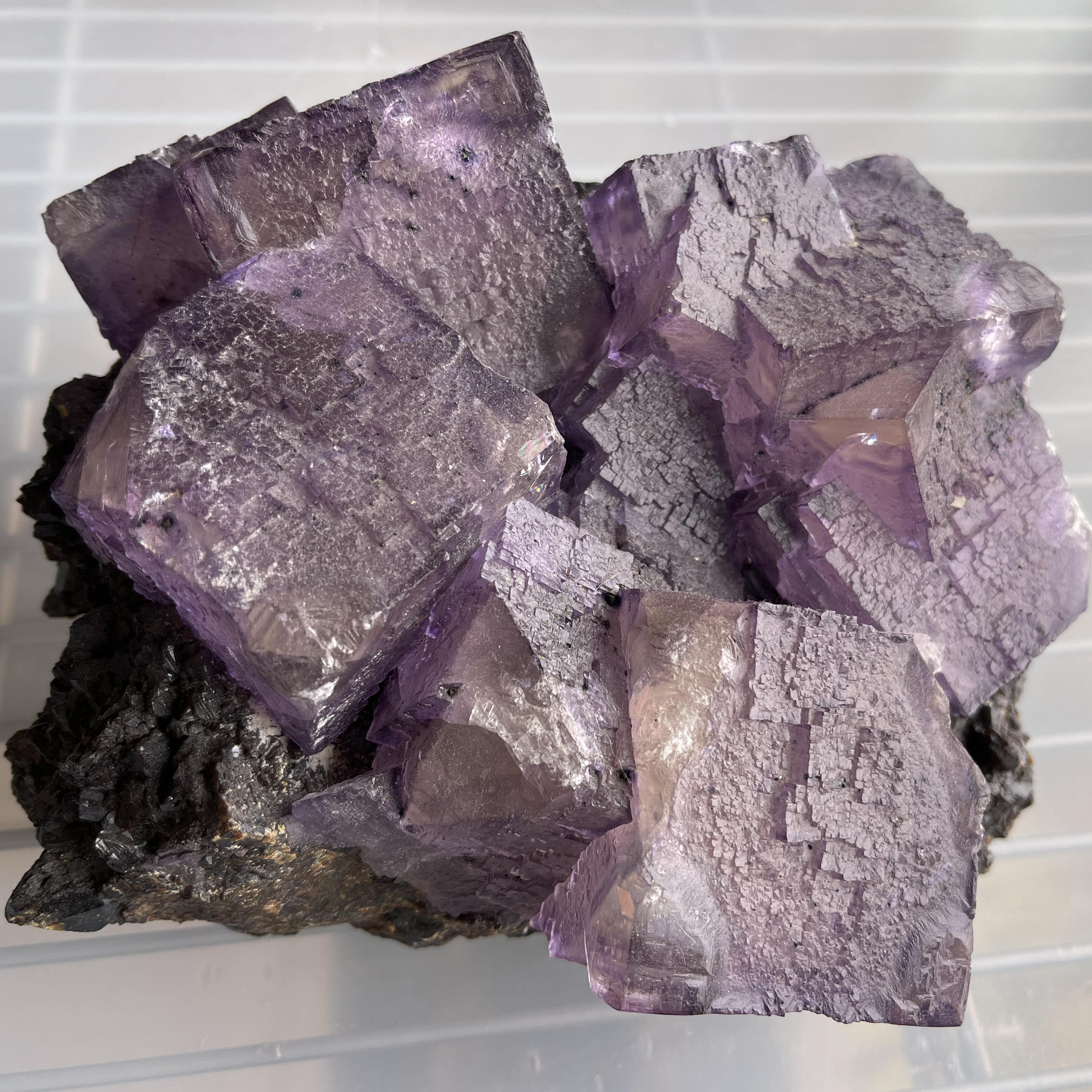
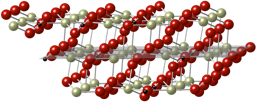
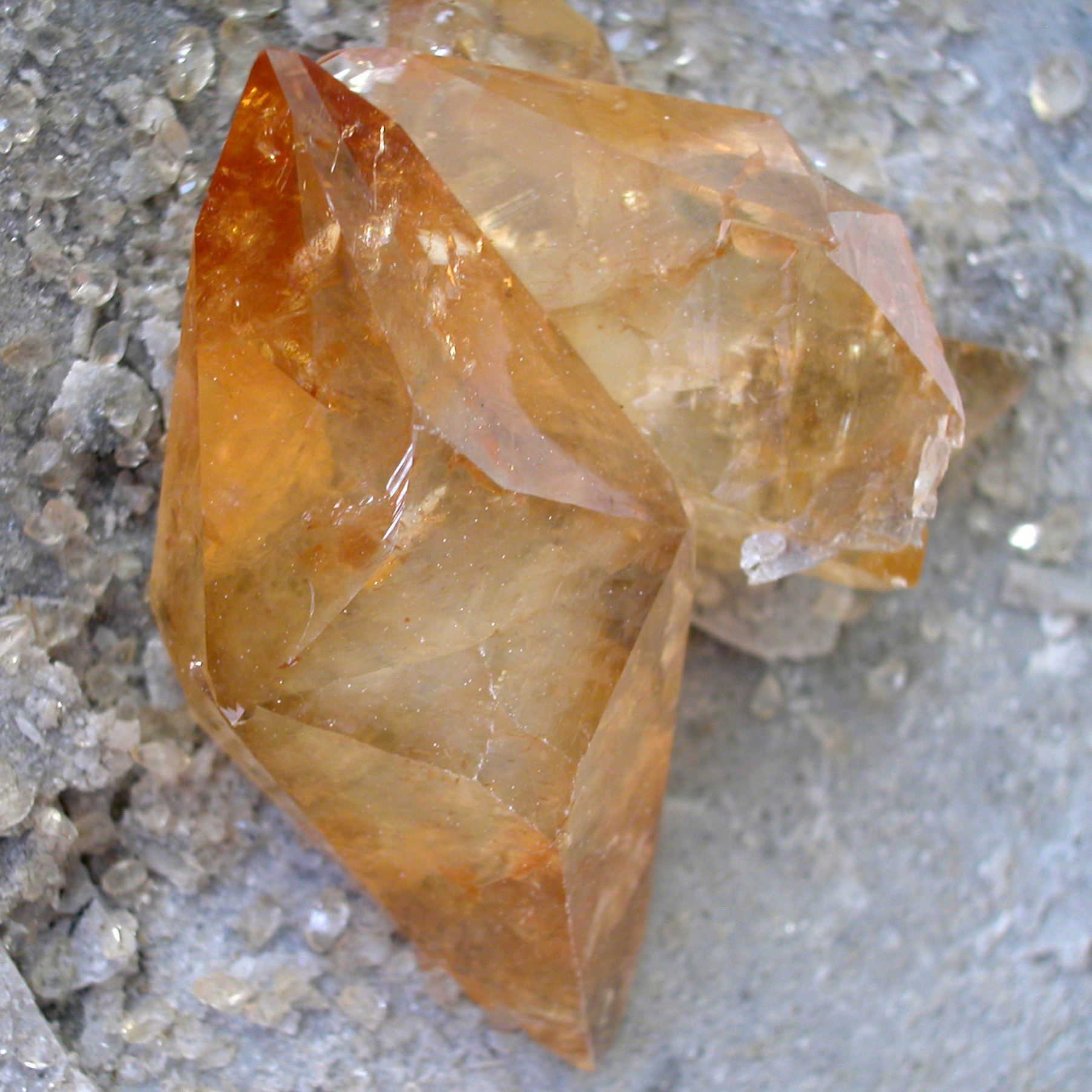
Mineralogy is the study of the crystalline solids that make up the rocks in the Earth and planets. It is the application of materials science to Earth materials. Mineralogy forms the basis for the study of all rock types and rock-forming processes. Thus, the study of mineralogy is a prerequisite for most other geology courses and should be taken as early as possible in the sequence of courses for the major. Lecture topics include mineral classification, crystal symmetry, bonding and coordination, crystal structure and composition, and the physical and optical properties of minerals. Applications of mineralogy to current research in Earth science are discussed. Laboratory exercises closely follow the lecture material, examining crystallography, crystal chemistry, microscopy, and hand sample identification. Four Hours. Prerequisites: Chemistry 130 and Geology 101.